Pi Coin is trading near $0.167 in early March 2026 across platforms tracking its exchange price, a sharp fall from last year’s $2.99 peak. The slide comes as the Pi Network remains in its extended Enclosed Mainnet phase, with KYC bottlenecks and steady token unlocks weighing on sentiment. While price data circulates widely online, the underlying asset is still not freely transferable on an Open Mainnet. That gap between expectation and infrastructure is now defining market behavior.
Retail interest remains elevated, but liquidity conditions and supply dynamics tell a more restrained story.
Key Takeaways:
- Pi trades around $0.167 on exchanges offering IOU-style listings, not fully open mainnet coins.
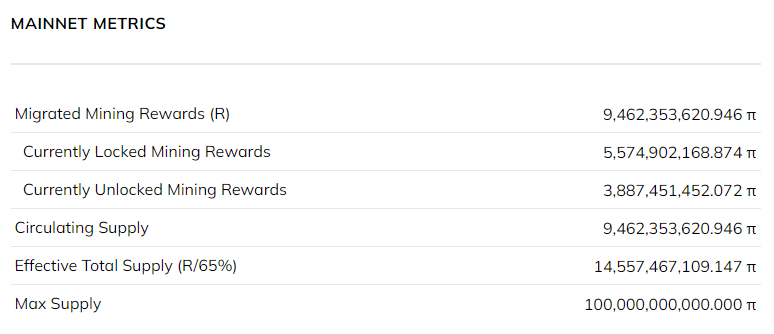
- Circulating supply trackers estimate roughly 9.4 billion tokens against a 100 billion maximum cap.
- Ongoing token unlocks are expanding supply faster than fresh capital inflows.
- The Open Mainnet timeline remains the primary catalyst for any structural shift in price.
The Current Price: What Is Actually Trading?
The price visible on several centralized exchanges reflects IOU-based markets rather than unrestricted on-chain transfers. Because the Open Mainnet has not launched, users cannot freely move their mined Pi to external wallets or decentralized exchanges.
Put simply, the market is pricing future access, not present liquidity.
The Pi Core Team has previously clarified via official communication channels that trading before Open Mainnet should be considered independent of the project’s controlled ecosystem. That distinction is crucial. IOU markets depend on internal exchange liquidity, not verifiable blockchain settlement across open infrastructure.
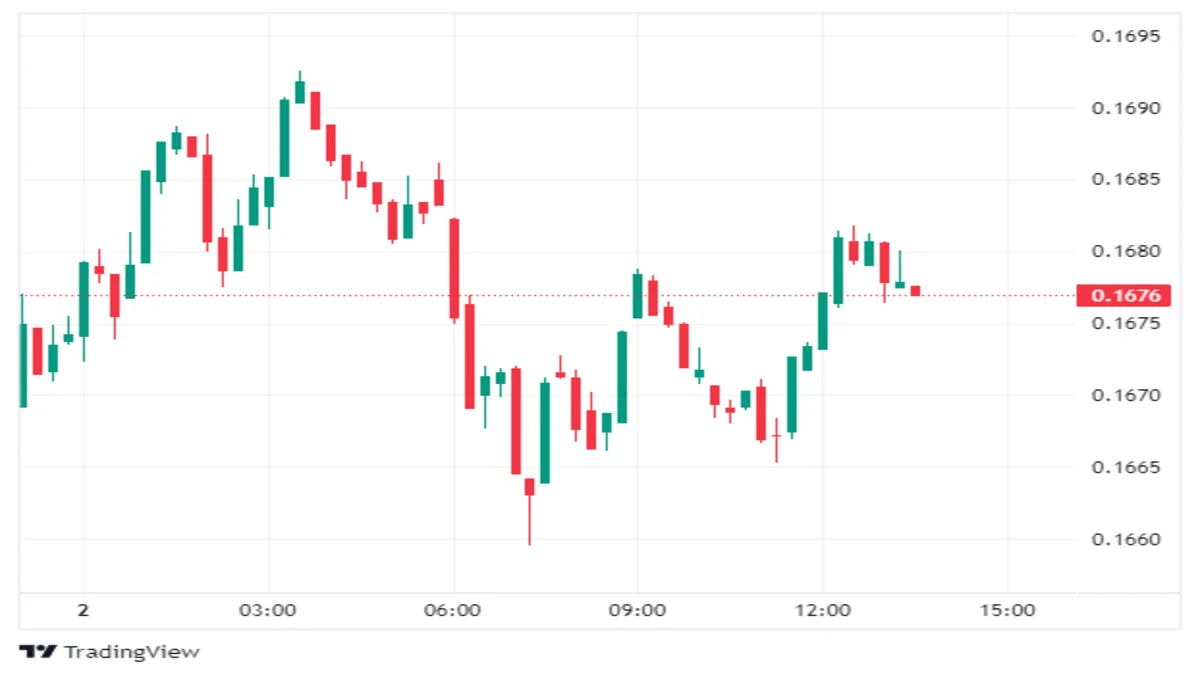
In practical terms, this means thinner order books and higher volatility relative to established assets.
Also Read: AI Gains Financial Autonomy as Machine Economy Enters Structural Shift
Supply Expansion Is Pressuring the Market
Data aggregated by major tracking platforms indicates that circulating supply estimates now sit near 9.4 to 9.5 billion tokens. The maximum programmed supply stands at 100 billion.
The mechanics are straightforward. When tokens unlock on a recurring schedule, additional supply enters the tradable float. If new demand does not match that expansion, price compresses to absorb the imbalance.
I have analyzed similar unlock cycles in Layer-1 networks over the past several years. The pattern rarely changes. Sustained upside requires sustained inflows.
In Pi’s case, unlock schedules have continued while exchange liquidity remains structurally limited. That combination creates persistent downward pressure.
The Open Mainnet Bottleneck
KYC Verification Delays
The transition to Open Mainnet hinges on mass KYC completion and wallet migration. Verifying millions of users globally is a substantial logistical undertaking. The objective is to eliminate bots and duplicate accounts before enabling open transfers.
However, verification delays have slowed ecosystem migration. Only a portion of the user base has fully transitioned their balances.
Without broad migration, opening transfers could create chaotic liquidity conditions.
Ecosystem Utility Requirements
The Core Team has emphasized ecosystem readiness before lifting restrictions. A functioning decentralized application layer, merchant tools, and internal marketplaces are viewed as prerequisites.
Launching Open Mainnet without established utility risks immediate sell pressure as early participants attempt to liquidate holdings.
This cautious approach protects infrastructure integrity, but it prolongs market uncertainty.
Price Structure and Technical Levels
Technically, the asset trades well below its prior peak near $2.99. Current support appears clustered near the $0.15 range, a psychological floor that has attracted buyers during recent tests.
Momentum indicators on exchange charts show muted volume expansion during upward moves, suggesting speculative bursts rather than structural accumulation.
Put simply, rallies have been reactive. Not sustained.
A confirmed Open Mainnet date could alter sentiment rapidly. Markets favor clarity. But without formal announcements from official channels, price action remains reactive to rumor cycles.
You May Like: Bitcoin Reclaims $66K After $257M ETF Inflows Snap Five-Week Outflow Streak
Market Psychology vs Fundamental Progress
The Pi Network community remains one of the largest in the crypto sector, with tens of millions of registered users worldwide. That scale is not trivial.
Yet community size does not automatically translate into exchange liquidity.
True market stability requires:
- Verified circulating supply
- Open transferability
- Tier-1 exchange integration
- Regulatory clarity
Until those pillars are established, valuation will reflect expectation more than realized utility.
The Mathematics Behind Unrealistic Targets
Social media continues to circulate projections of $100 or higher. Basic tokenomics challenge those assumptions.
With a 100 billion maximum supply, a $100 valuation implies a $10 trillion market capitalization. That figure exceeds the total value of global gold reserves and dwarfs the combined crypto market.
In plain terms, those projections ignore scale realities.
Grounding analysis in supply mathematics is essential for responsible reporting and trading.
Exchange Listings: The Structural Catalyst
The long-term inflection point will likely hinge on Tier-1 exchange integration following Open Mainnet activation. Major platforms typically evaluate network security, node decentralization, compliance posture, and transaction throughput before listing.
Tracking an IOU pair is fundamentally different from integrating a live blockchain network.
If Open Mainnet launches successfully and meets exchange standards, deeper liquidity pools could stabilize pricing. If not, volatility may persist within isolated markets.
Why This Matters
The transition from a controlled ecosystem to open market liquidity will determine whether Pi evolves into a broadly traded digital asset or remains a niche, community-driven experiment.
What This Means (for Traders)
- Monitor official Open Mainnet updates from verified Pi channels.
- Watch the $0.15 support level for sustained breakdown or stabilization.
- Evaluate liquidity depth before entering short-term positions.
- Base valuation expectations on circulating supply mathematics, not viral projections.
The Broader Market Context
Crypto markets in 2026 remain sensitive to macro liquidity conditions and Bitcoin dominance cycles. Smaller-cap assets often experience amplified volatility during periods of altcoin rotation.
However, structural liquidity, not narrative intensity, determines long-term price floors.
Pi currently sits at the intersection of anticipation and infrastructure delay.
Conclusion
Pi Coin’s exchange-tracked price near $0.167 reflects speculative IOU market activity amid ongoing Open Mainnet delays and expanding supply. The network’s large global community remains a foundational strength, but liquidity constraints and unlock dynamics continue to shape valuation. The next decisive phase depends on verified migration progress and official exchange integration. Until then, price behavior will likely remain expectation-driven rather than utility-driven.
Disclaimer: The information provided for informational purposes only and does not constitute investment advice. Always do your own research before making financial decisions. Follow us for more updates from CoinSpectra.in

Potaraju Ramesh
Potaraju Ramesh is the Founder and Lead Market Analyst at CoinSpectra.in, an independent digital publication focusing on cryptocurrency and Web3. Since 2017, he has been analyzing market cycles, on-chain data, and Indian regulatory frameworks. His editorial approach is built on transparency and data-driven neutrality, providing readers with the context needed to understand complex digital asset shifts.