Physical Address
304 North Cardinal St.
Dorchester Center, MA 02124
Physical Address
304 North Cardinal St.
Dorchester Center, MA 02124
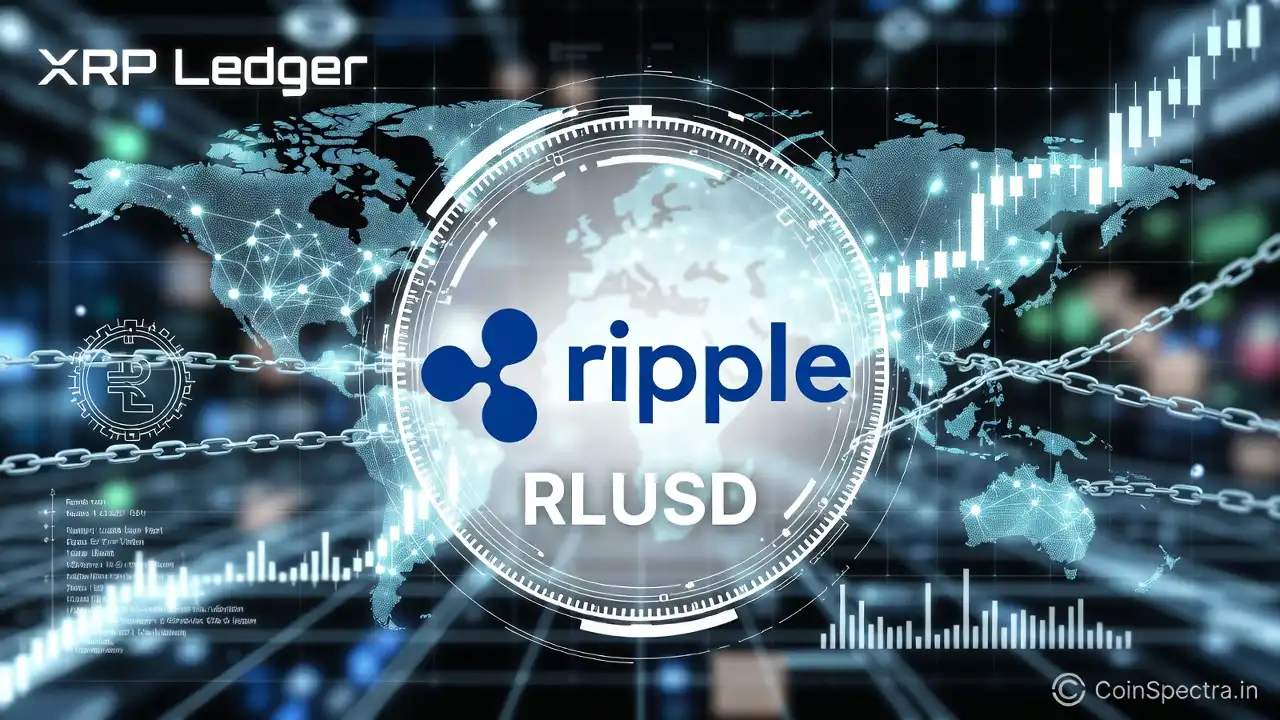
Ripple’s U.S. dollar-pegged stablecoin, RLUSD, has surpassed $1.5 billion in market capitalization, placing it among the top 50 cryptocurrencies globally. The milestone, achieved less than 14 months after its launch in December 2024, highlights accelerating institutional adoption of regulated digital assets. RLUSD’s rapid growth reflects rising demand for blockchain-based payment infrastructure and compliant stablecoin solutions.
Ripple introduced RLUSD in late 2024 as a regulated, enterprise-focused stablecoin aimed at improving global financial settlement efficiency. Issued on both the XRP Ledger and Ethereum networks, RLUSD maintains its dollar peg through fully reserved assets, including cash and short-term U.S. government securities.
The stablecoin’s circulating supply expanded significantly over the past year, growing from under $1 billion in late 2025 to more than $1.5 billion by early 2026. This expansion reflects increasing adoption by financial institutions, exchanges, and enterprise users seeking compliant blockchain settlement solutions.
Ripple structured RLUSD to meet regulatory standards, including oversight aligned with frameworks such as the New York Department of Financial Services stablecoin requirements. This regulatory focus has helped position RLUSD as a trusted option for institutional participants.
Also Read: Nexo Relaunches in U.S. With Bakkt to Offer Yield and Crypto Credit
RLUSD’s growth has been supported by expanding exchange support and enterprise integrations. Major crypto platforms and payment providers have enabled trading, custody, and liquidity access, improving market accessibility.
Ripple has also integrated RLUSD into its Ripple Payments platform, allowing businesses to settle international transactions instantly without relying on pre-funded accounts. This reduces operational costs and improves capital efficiency for global companies.
Institutional partnerships, including collaborations with banks and financial service providers, have further strengthened RLUSD’s role in cross-border settlement infrastructure.
RLUSD is designed to address inefficiencies in traditional international payment systems, which often involve delays, high fees, and multiple intermediaries. On blockchain networks such as the XRP Ledger, transactions can settle within seconds at significantly lower cost.
This makes RLUSD suitable for:
Stablecoins play a central role in blockchain-based financial infrastructure, and RLUSD’s regulated structure enhances its appeal among enterprise and institutional users.
SEC, CFTC Launch Project Crypto to Establish Unified Digital Asset Oversight
The global stablecoin market exceeds $200 billion, dominated by major players such as Tether (USDT) and Circle’s USD Coin (USDC). RLUSD’s rapid entry into the top 50 cryptocurrencies signals growing demand for regulated alternatives.
While RLUSD remains smaller than USDT and USDC, its regulatory positioning and enterprise focus differentiate it within the market. Other regulated stablecoins, including PayPal USD (PYUSD), have also expanded in recent years as institutions increasingly explore blockchain-based settlement.
RLUSD’s continued exchange listings, ecosystem integrations, and regulatory alignment may support further growth in circulating supply and market relevance.
RLUSD’s milestone reflects broader expansion in stablecoin adoption rather than immediate price movement across major cryptocurrencies. Bitcoin and Ethereum showed no direct volatility tied to RLUSD’s growth, indicating stablecoins primarily serve infrastructure roles rather than speculative assets.
Stablecoins account for a significant portion of crypto market liquidity, enabling trading, lending, and cross-border transfers. RLUSD’s expansion strengthens blockchain settlement infrastructure and highlights increasing institutional participation in digital asset markets.
The development also reinforces Ripple’s broader strategy of building enterprise-grade blockchain payment solutions.
RLUSD’s rise to a $1.5 billion market capitalization within just over a year of launch marks a significant milestone for Ripple and the regulated stablecoin sector. As institutional demand for compliant digital assets continues to grow, RLUSD is positioned as a key player in blockchain-based financial infrastructure.
Future exchange integrations, enterprise partnerships, and regulatory clarity will likely shape RLUSD’s long-term role in global payments and digital finance.
Disclaimer: The information provided is for informational purposes only and does not constitute investment advice. Always conduct your own research before making financial decisions. Follow us for more updates from CoinSpectra.in